The most common signs your AC needs repair are warm or weak air, a system that runs without cooling, short cycling, strange sounds, rising power bills, ice or water around the unit, and musty or burning smells. Catch any of these early in a Tulsa summer and the fix usually stays small and cheap. Ignore them, and a minor part can take the whole system down on the hottest day of the year. Here is what each sign means and when it is time to call. Need a look now? Call or text (918) 809-0220.
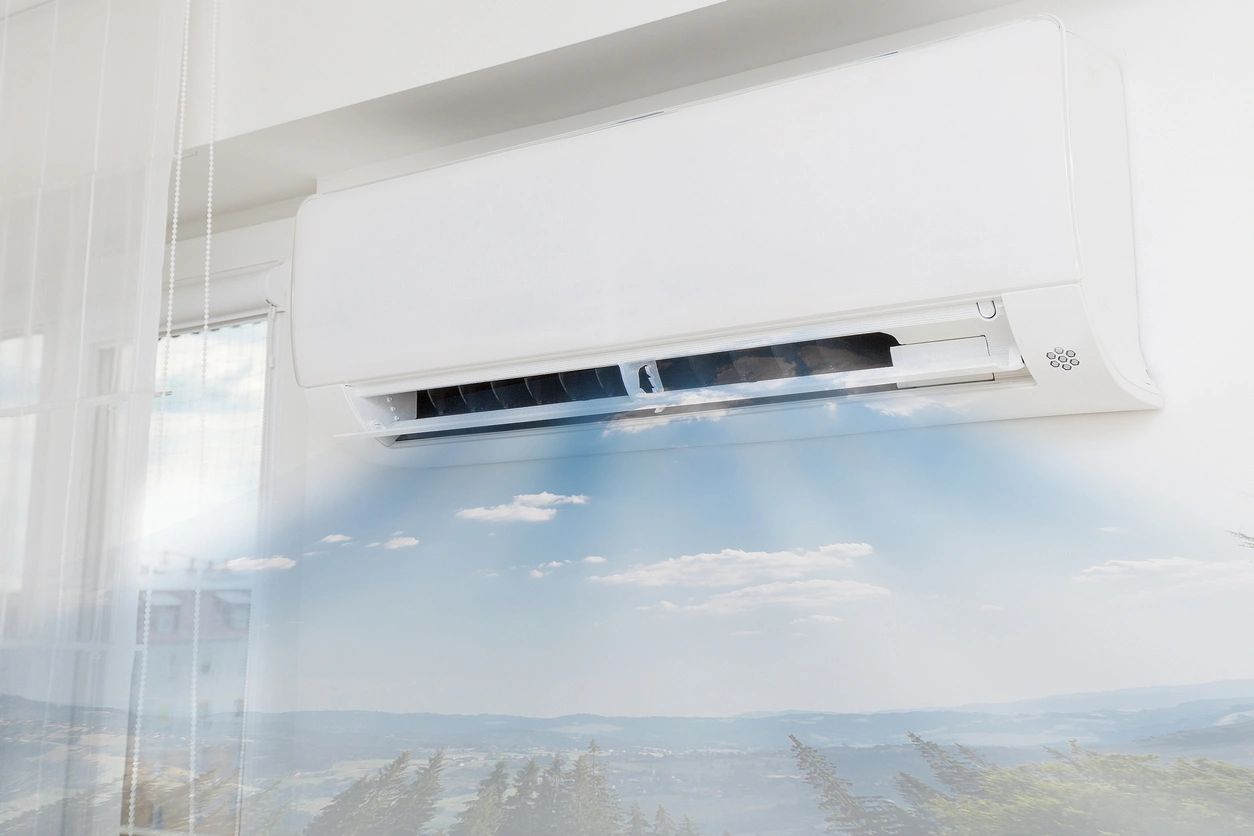
The clearest sign is air that is not cold when you have set the system to cool. Warm air usually points to low refrigerant from a leak, a frozen coil, or a compressor that is not running because of a failed capacitor or contactor. Weak airflow, where the air is cool but barely moving, more often means a clogged filter, a dirty coil, a failing blower motor, or a duct problem. Either way, the system is working hard and delivering little, and that gap only grows as the heat climbs.
If your AC runs constantly and the house never quite reaches the temperature on the thermostat, something is off. On a brutal afternoon that can be normal, but a system that cannot catch up on a merely warm day is straining. Common causes are low refrigerant, a dirty coil that cannot shed heat, or an aging unit losing capacity. Beyond the discomfort, a system that never cycles off burns power and wears itself out fast.
Short cycling is the opposite problem: the unit switches on and off every few minutes without completing a real cooling cycle. It leaves the house uneven, spikes the power bill, and hard on the compressor, which is the most expensive part in the system. Causes range from an oversized unit to a refrigerant issue, a failing part, or a dirty coil tripping a safety. It is a sign worth acting on quickly, because the wear falls on the part you least want to replace.
A healthy AC runs with a steady hum. Banging or clanking suggests a loose or broken part. Grinding often points to a motor bearing going bad. A high-pitched squeal can mean a belt or motor issue, and rapid clicking at startup frequently signals a failing capacitor or relay. New sounds rarely fix themselves, and the cheap moment to address them is before the part fails completely and takes something else with it.
If your electric bill climbs through the summer with no change in how you run the system, the AC is working harder than it should to do the same job. A dirty coil, a low charge, a worn part, or a system simply aging out all show up on the bill before they show up as a breakdown. A sudden jump is worth investigating, because it is often the first measurable sign of a problem you cannot yet hear or feel.
Moisture problems are easy to spot and important not to ignore. Water pooling near the indoor unit usually means a clogged condensate drain, which can overflow and cause real water damage if left alone. Ice on the refrigerant line or the coil points to restricted airflow or low refrigerant. If you see ice, turn the system off to let it thaw and call, because running a frozen system can damage the compressor.
Your nose catches problems too. A musty, mildew smell when the AC runs often means mold or mildew in the system or ductwork, which is both a comfort and an air-quality issue. A burning or electrical smell is more urgent and can signal an overheating motor or wiring problem, so shut the system down and call right away. Smells are the system telling you something needs attention before it becomes a bigger failure.
A single minor symptom on a mild day can sometimes wait a short while, but a few situations should not. Warm air in a heat wave, a breaker that keeps tripping, water actively leaking, or any burning smell are reasons to call now. Before you do, it is worth checking the easy stuff: confirm the thermostat is set correctly, reset a tripped breaker once, and swap a filthy filter. If those do not fix it, the problem is inside the equipment.
A Tulsa summer pushes an air conditioner harder than most climates ever will. The system carries a full cooling load for months, often running most of the day, while humidity adds strain and dust and pollen pack the outdoor coil until it struggles to shed heat. Afternoon storms knock out capacitors and control boards, and the repeated hard starts age the compressor. All of that means the warning signs above tend to appear sooner and escalate faster here than they would up north, which is exactly why catching them early matters so much in Oklahoma.
Not every failing AC is worth repairing. If your unit is under ten to twelve years old and needs a single part, repair is almost always the smart call. If it is older, needs a major component like a compressor, or has been racking up repairs season after season, replacement may be the better use of your money. A good technician will show you the numbers on both and let you decide rather than pushing the bigger sale.
If the system stops cooling, a few quick steps can save time and sometimes the repair itself. Check that the thermostat is set to cool with fresh batteries, then check the breaker and reset it once if it tripped. Replace the filter if it is dirty. If you see ice on the unit, switch it off and let it thaw before running it again. If water is pooling, shut it down to avoid damage. If none of that restores cooling, note what the system is doing and call, because a clear description helps the technician show up ready with the right parts.
Call the crew that has served the Tulsa metro since 2009.